Rusty McCommas • August 26, 2026
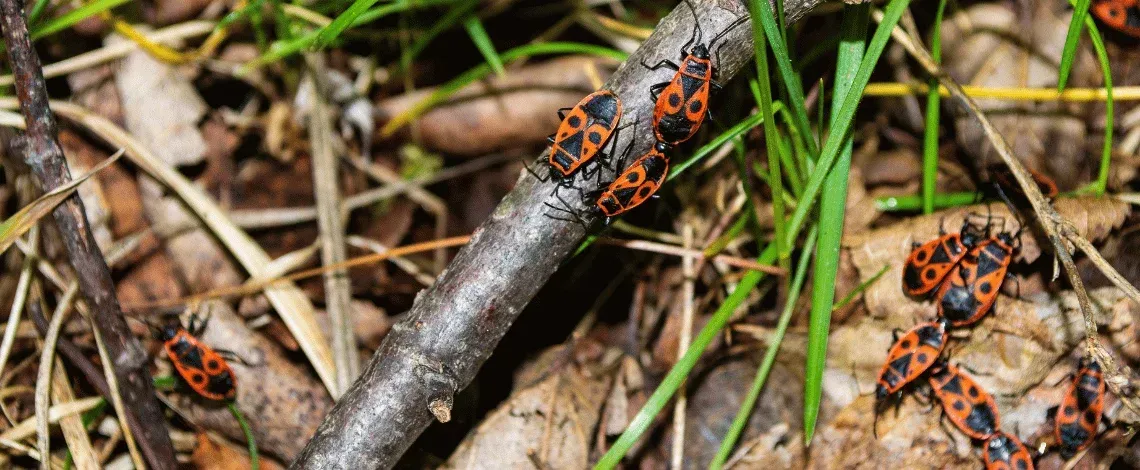
Chinch bugs and grubs in North Texas can damage an Argyle lawn fast, especially during the hot summer months. Chinch bugs usually attack sunny St. Augustine and Zoysia lawns, while white grubs feed below the surface and weaken the roots. The best way to protect your lawn is to know the signs early, treat at the right time, and avoid confusing pest damage with drought or fungus.
Common Lawn Insects That Damage North Texas Lawns
Fire ants get a lot of attention in Texas, but they are not the only insects that damage lawns. Chinch bugs, white grubs, and armyworms can all create serious turf problems in Denton County. Each pest causes different damage, so proper identification matters before treatment begins.
Chinch Bugs
Chinch bugs are tiny black insects with white wings, and they are usually found in hot, sunny areas of the lawn. They often damage St. Augustine grass first, but they can also affect other turf when conditions are right. If you need chinch bug treatment in Flower Mound, TX, Argyle, or nearby areas, these signs can help you know when to call for help:
- Yellow patches that turn brown quickly
- Damage that starts in full-sun areas
- Grass that looks dry even after watering
- Patches that spread outward during summer
- Tiny black insects moving near the soil surface
- Damage that is worse from June through September
White Grubs
White grubs are C-shaped larvae that live below the soil and feed on lawn roots. Grub damage lawn in Argyle properties often shows up when grass starts lifting from the soil because the roots are gone. If you are dealing with white grubs lawn in Texas, look for these warning signs:
- Grass that pulls up like loose carpet
- Brown or thinning patches that keep spreading
- Birds, skunks, or other animals digging in the lawn
- Weak roots under Bermuda or other turf types
- Damage that becomes more visible from late summer into fall
- Soft or spongy turf in damaged areas
Armyworms
Armyworms can move through a lawn quickly and chew grass blades down in a short amount of time. They often appear in groups, which is why damage may seem to show up almost overnight. Homeowners should watch for thin patches, chewed grass blades, and birds feeding heavily in one area of the lawn.
Armyworm damage can be easy to miss at first because the lawn may only look slightly thin or stressed. Once feeding increases, the turf can turn brown fast and lose a large amount of leaf growth. Quick treatment is important because armyworms can continue spreading across the lawn if they are not controlled.
Chinch Bug Damage vs. Drought Stress vs. Fungus
Chinch bug damage, drought stress, and fungus can all make a lawn look brown, thin, or patchy. The difference is where the damage starts, how fast it spreads, and what the grass looks like up close. This is where a simple inspection can save you from using the wrong treatment.
Drought stress usually affects larger areas and improves when watering is corrected. Fungus often creates circular patches, leaf spotting, or thinning that appears during humid conditions. Chinch bug damage usually starts in hot, sunny areas and keeps spreading even when the lawn receives enough water.
When to Watch for Chinch Bugs in North Texas
Chinch bugs are most active during hot weather, which makes summer the key season for monitoring. In North Texas, homeowners should watch for damage from June through September. By the time large brown patches appear, the infestation may already be spreading.
Unlike grub prevention,
chinch bug control is usually handled with curative treatment after activity is confirmed. That means the best defense is early detection and fast action. If you see sunny areas turning yellow or brown during summer, do not assume it is only heat stress.
Simple Lawn Habits That Help Reduce Pest Pressure
A healthy lawn is not pest-proof, but it is more resilient when insects show up. Strong roots, proper mowing, and balanced feeding can help the lawn handle stress better. These habits can also improve results when lawn insect control for North Texas is needed:
- Water deeply instead of lightly every day
- Avoid overwatering because soggy soil can weaken roots
- Keep grass at the right mowing height for the turf type
- Reduce heavy thatch that gives insects a place to hide
- Avoid over-fertilizing with too much nitrogen
- Aerate compacted soil when needed so roots can grow stronger
Why Homeowners Trust Evergreen for Chinch Bug Treatment
At Evergreen Lawn & Landscape, we inspect the lawn first so we can confirm whether chinch bugs are the real issue. Once we identify active chinch bug damage, we apply curative treatments designed to eliminate the infestation and stop the insects from causing more damage. We also offer related lawn care services, including fertilization and weed control, to help weakened turf recover after pest pressure.
We provide
chinch bug control
for residential properties in Argyle, Northlake, South West Denton, and nearby Texas communities. Our team understands how local lawns respond to summer heat, dry soil, pest activity, and seasonal stress. When you call us, we look at the full lawn so you get the right treatment instead of guessing.
Protect Your Argyle Lawn Before Chinch Bugs and Grubs Take Over
Chinch bugs, grubs, and armyworms can damage your lawn quickly when summer conditions are right. If you see yellowing grass, loose turf, fast-spreading brown patches, or signs of insect activity,
contact us today to schedule lawn insect control services.
Recent Posts