Rusty McCommas • September 16, 2026
Trees and shrubs are a major part of your property’s curb appeal, shade, and overall landscape design. In North Texas, long summers, compacted soil, irregular rain, and pest pressure can all make it harder for ornamental plants to stay healthy. Consistent tree and shrub care in Argyle, TX, helps prevent common problems before they lead to thinning growth, leaf damage, or plant loss.
Why Trees And Shrubs Struggle In North Texas
Many landscape problems are caused by more than one issue. A shrub with yellow leaves may need nutrients, but it could also be dealing with poor drainage, heat stress, pests, or inconsistent watering. Looking at the plant's overall condition is the best way to provide the right care.
Common sources of stress include:
- Long periods of heat and drought
- Heavy clay soil or drainage issues
- Inconsistent watering schedules
- Insect damage or disease pressure
- Poor soil nutrients
- Overcrowded or damaged branches
- Mulch placed too close to trunks or stems
Start With Healthy Soil And Proper Fertilization
Strong roots help trees and shrubs handle heat, rain, pests, and seasonal temperature changes. Shrub fertilization in North Texas provides nutrients that may not be available in compacted or depleted soil. The right fertilizer program supports healthier foliage, stronger roots, and more consistent seasonal growth.
Tree fertilization in Argyle, TX should be based on the type of plant, its age, visible health concerns, and the condition of the surrounding soil. Applying too much fertilizer can lead to stunted growth and increased stress for the plant. A targeted approach is more effective than applying the same treatment to every tree and shrub in the yard.
Signs Your Plants May Need Nutrient Support
| Sign | What It Could Mean |
|---|---|
| Pale or yellow leaves | The plant may have limited access to nutrients |
| Slow or thin new growth | Root health or soil conditions may need attention |
| Fewer flowers | Flowering shrubs may be under stress |
| Sparse tree canopy | Mature trees may be struggling with nutrient or root issues |
| Poor recovery after extreme weather | The plant may need better seasonal support |
Watch For Pest Problems Before They Spread
Pests can quickly damage a landscape, especially when plants are already stressed by heat or poor watering. Shrub pest treatment in North Texas works best when the issue is identified early and treated correctly. Treating the wrong pest, or waiting too long to act, can allow damage to spread through landscape beds.
Common signs of pest activity include:
- Holes, spots, or curled edges on leaves
- Sticky residue on foliage or nearby surfaces
- Fine webbing on leaves or branches
- Visible insects on new growth
- Sudden leaf drop or branch dieback
- Small holes or damage in bark and stems
Not every damaged plant has a pest problem. Similar symptoms can also come from disease, overwatering, poor drainage, nutrient deficiencies, or root stress. A professional assessment can help identify the cause before treatment begins.
Keep Roots Protected With Proper Mulch And Watering
Healthy roots are the foundation of healthy trees and shrubs. Mulch helps retain soil moisture, regulates temperature, reduces weeds, and protects roots from North Texas weather. It also gives landscape beds a cleaner and more finished appearance.
A well-maintained mulch bed should:
- Keep mulch around two to three inches deep
- Leave open space around tree trunks and shrub stems
- Be refreshed when it becomes thin or breaks down
- Help reduce competition from weeds
- Support better moisture retention during dry weather
Watering habits are just as important as
fertilization and pest treatment. Deep, less frequent watering encourages stronger root growth, while shallow daily watering can keep roots too close to the soil surface. New trees, recently planted shrubs, and plants exposed to afternoon sun may need closer monitoring during summer.
Use Pruning To Improve Plant Health And Appearance
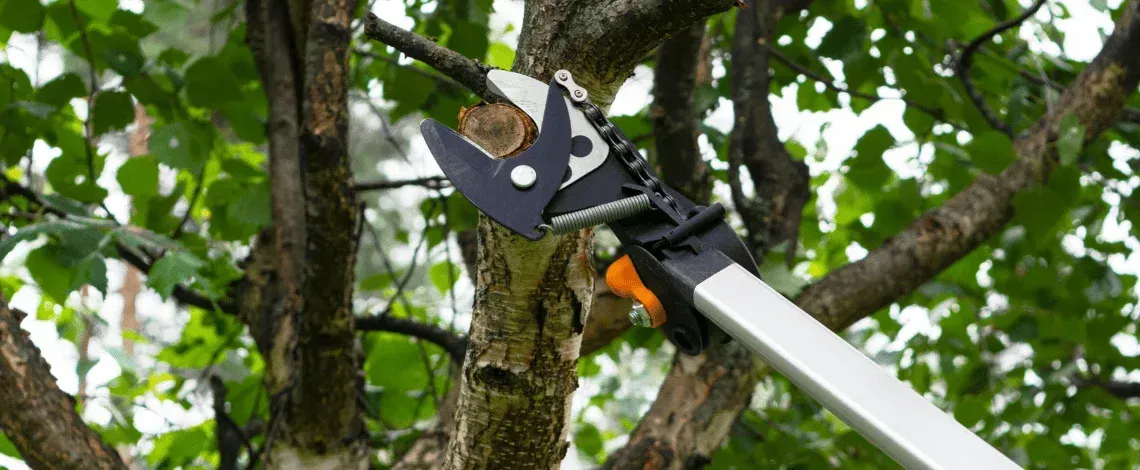
Pruning helps trees and shrubs look neat and supports healthier growth. Removing dead, damaged, or overcrowded branches can improve airflow and reduce stress on the plant. Proper pruning can also help prevent branches from rubbing together or blocking healthy new growth.
Pruning and trimming may help with:
- Removing dead or broken branches
- Improving airflow through dense shrubs
- Maintaining a cleaner overall shape
- Reducing crossing or rubbing branches
- Managing overgrown plants around walkways and beds
Avoid cutting back too much at once, especially during high heat. Aggressive pruning can stress plants already dealing with drought or pest pressure. The right timing and technique depend on the type of plant and its current condition.
Follow A Seasonal Care Plan
Tree care in Denton County is most effective when it changes with the season. Each part of the year brings different conditions that can affect soil, roots, foliage, and pest activity. A simple maintenance plan helps homeowners stay ahead of common issues.
| Season | Main Care Priorities |
|---|---|
| Spring | Inspect plants for winter damage, monitor new growth, refresh mulch, and watch for early pest activity. |
| Summer | Check for heat stress, water deeply as needed, inspect leaves for insects, and avoid heavy pruning during extreme heat. |
| Fall | Remove fallen debris, inspect for disease or damage, prepare plants for cooler weather, and complete selective pruning. |
| Winter | Watch for broken branches, protect sensitive plants during freezes, and plan pruning or landscape updates before spring. |
When To Call For Professional Tree And Shrub Care
Some plant concerns need more than extra watering or a general fertilizer application. Repeated pest problems, thinning foliage, branch dieback, poor growth, or declining shrubs may indicate a larger issue with soil, roots, drainage, or plant health. Identifying the cause early can help protect the rest of your landscape.
Professional landscape plant care in Flower Mound, TX, and nearby North Texas communities can help homeowners manage fertilization, shrub pest treatment, pruning, mulch, and
seasonal maintenance as part of a complete landscape plan. This approach helps keep trees and shrubs healthier while reducing the risk of avoidable plant loss.
Keep Your North Texas Landscape Healthy Year-Round
Healthy trees and shrubs need more than occasional attention. Evergreen Lawn & Landscape provides professional support with fertilization, pest monitoring, mulching, watering guidance, and pruning to help your landscape stay healthier through every season. Contact us today to schedule tree and shrub care and keep your North Texas landscape looking its best year-round.
Recent Posts