Rusty McCommas • September 9, 2026
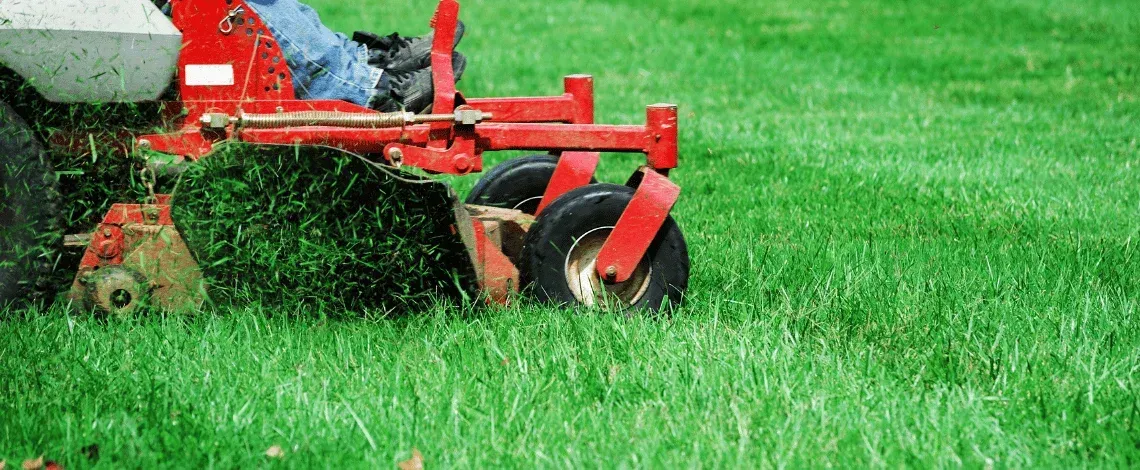
The right lawn mowing height in North Texas can make a major difference in how your lawn handles heat, rain, foot traffic, and seasonal stress. Bermuda, Zoysia, and St. Augustine all grow differently, so using one mower setting for every yard can lead to thin spots, uneven color, or unnecessary stress. A simple mowing routine based on your grass type can help keep lawns in Argyle, Denton County, and Flower Mound looking fuller throughout the growing season.
Evergreen Lawn & Landscape provides routine lawn mowing service with mowing, edging, trimming, and debris cleanup for homeowners across North Texas. Regular service helps keep grass from becoming overgrown, while proper mower settings help protect the turf from being cut too low. The goal is not simply to make the lawn shorter, but to maintain healthier growth from week to week.
Start With The Right Mowing Height
Before deciding how often to mow, it is important to set the mower deck at the right height. Grass that is cut too short can dry out faster, struggle in the heat, and become more vulnerable to weeds. Keeping grass at the proper height gives the lawn more leaf surface to produce energy and shade the soil.
| Grass Type | Recommended Height | Typical Mowing Frequency |
|---|---|---|
| Bermuda | 1.5–2 inches | Weekly during active growth |
| Zoysia | 1.5–2 inches | Every 7–10 days |
| St. Augustine | 2.5–4 inches | Weekly during active growth |
The correct mowing height in Denton County can vary slightly depending on sun exposure, rainfall, irrigation, and lawn condition. During long periods of summer heat or drought, it is usually better to raise the mower deck slightly rather than cutting the grass shorter. This helps the lawn hold moisture and reduces stress on the roots.
Match Your Mowing Routine To Your Grass Type
Once the mower is set correctly, mowing frequency becomes much easier to manage. Fast-growing grass may need weekly attention, while slower-growing turf can sometimes go a little longer between cuts. The key is to mow based on growth, not just the date on the calendar.
Bermuda Grass: Keep It Consistent
Bermuda grass is one of the most common turf types in North Texas because it handles full sun and warm weather well. Homeowners wondering how often to mow Bermuda grass in Texas should usually expect to mow once a week during late spring and summer. After heavy rain, fertilizer treatments, or strong growing conditions, Bermuda may need to be cut more often.
Keep Bermuda between 1.5 and 2 inches tall for a dense, clean appearance. Avoid cutting it extremely short just to make it last longer between mowings, since that can expose the soil and cause stress during hot weather. A consistent mowing schedule in Argyle, TX, is usually better than waiting until the lawn becomes overgrown.
Zoysia Grass: Focus On Clean Cuts
Zoysia grows more slowly than Bermuda, but it forms a thick lawn that still needs regular maintenance. For most North Texas lawns, mowing Zoysia grass at 1.5 to 2 inches helps it maintain a neat, even appearance. Depending on growth, Zoysia may need mowing every 7 to 10 days, although weekly mowing can still be necessary during peak summer conditions.
Sharp mower blades are especially important for Zoysia. Dull blades can tear the grass rather than cut it cleanly, leaving brown tips across the lawn. Keeping blades sharp helps Zoysia look healthier and reduces unnecessary stress after each mowing.
St. Augustine Grass: Keep It Higher
St. Augustine should be kept taller than Bermuda and Zoysia. A mowing height between 2.5 and 4 inches helps it retain moisture and perform better in partial shade. Cutting it too low can lead to weak color, thin areas, and more room for weeds to grow.
During the hottest part of summer, St. Augustine often benefits from being kept near the higher end of its mowing range. This gives the grass more protection from direct sun and helps reduce moisture loss. A higher cut is especially useful for lawns with limited irrigation or afternoon sun exposure.
Follow The One-Third Rule
No matter what type of grass you have, the one-third rule should guide your mowing routine. This means you should never remove more than one-third of the grass blade in a single cut. Removing too much at once can shock the lawn and leave it looking brown, uneven, or stressed.
| Preferred Lawn Height | Mow Before It Reaches |
|---|---|
| 1.5 inches | About 2.25 inches |
| 2 inches | About 3 inches |
| 3 inches | About 4.5 inches |
| 4 inches | About 6 inches |
Following this rule helps create a more reliable lawn mowing routine without putting too much pressure on the grass. It also makes it easier to avoid major changes in lawn color after a mowing visit. This is one of the most practical lawn-mowing tips for Flower Mound, TX, and the surrounding communities.
Avoid Scalping Your Lawn
Scalping occurs when a mower cuts grass too low, exposing bare soil or the crown of the grass plant. Scalping a lawn in North Texas can quickly lead to brown patches, weak turf, and greater weed pressure. It is most common when the grass has grown too tall and too much is removed in a single mowing session.
You can help prevent scalping by keeping the mower at the correct setting and mowing before the lawn becomes overgrown. It also helps to raise the mower slightly during summer heat, avoid mowing wet grass, and change mowing directions regularly. Rotating patterns can reduce ruts and help the lawn grow more evenly over time.
Adjust Your Mowing Routine Through The Seasons
North Texas lawns do not grow at the same rate year-round, so mowing needs naturally change with the seasons. Grass growth usually picks up in spring, reaches its peak during summer, and slows down again in fall. Paying attention to growth helps you avoid mowing too often or waiting too long between visits.
| Season | General Mowing Approach |
|---|---|
| Early Spring | Begin mowing when the lawn starts actively growing |
| Late Spring And Summer | Mow consistently and keep the mower at the proper height |
| Fall | Continue mowing until growth begins to slow |
| Winter | Mow only as needed during mild weather |
During the growing season, routine mowing helps keep lawns neat and prevents grass from becoming too tall between visits. Evergreen Lawn & Landscape generally provides biweekly mowing in early spring and late fall, with weekly mowing during the main growing season. This approach helps keep lawns maintained without cutting too aggressively.
Keep Your Lawn Healthier With Consistent Care
Mowing is one of the simplest ways to improve your lawn's appearance, but it works best when paired with proper fertilization, weed control, and seasonal lawn care. A lawn with healthy roots and balanced nutrients can recover more easily from heat, foot traffic, and changing weather. Evergreen Lawn & Landscape offers services such as lawn fertilization and weed control to support healthier turf year-round.
The right mowing height and frequency can help Bermuda, Zoysia, and St. Augustine lawns stay thicker, greener, and more resilient in North Texas. By mowing consistently, following the one-third rule, and avoiding scalping, homeowners can protect their lawns from unnecessary stress.
Contact us today to schedule professional lawn mowing service in Argyle, Denton County, Flower Mound, and nearby North Texas communities.
Recent Posts