Rusty McCommas • September 4, 2026
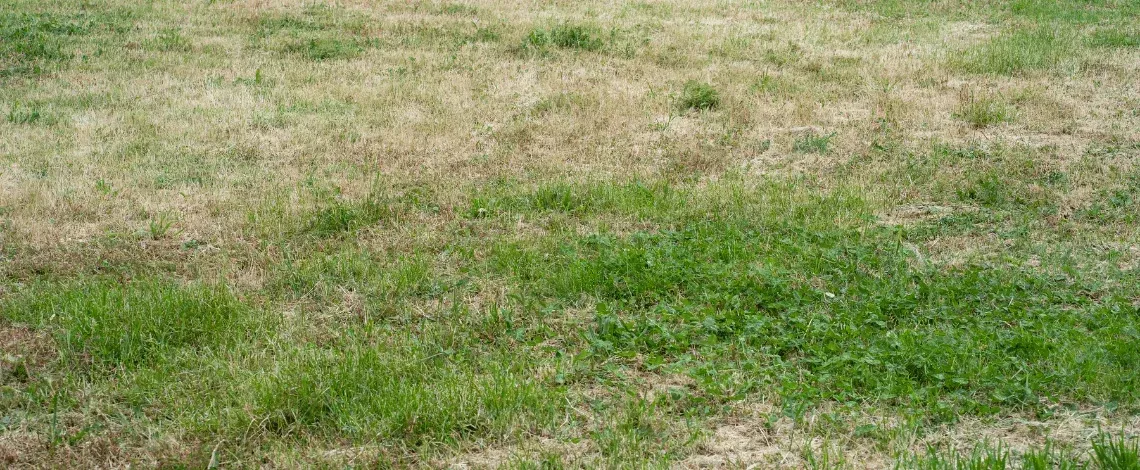
A patchy lawn can make your yard look unfinished, even when you mow and water on a regular schedule. In North Texas, thin grass and bare spots are often caused by heat, compacted soil, weeds, poor watering, pests, lawn disease, or drainage issues. The best way to fix the problem is to understand what is causing the lawn to thin out before adding new grass.
For homeowners in Argyle, Denton County, Flower Mound, and nearby North Texas areas, lawn recovery works best with a clear plan. Bare spots may look simple, but the real issue is often happening below the surface. This guide explains how patchy
lawn care and
landscape maintenance in North Texas can help your yard grow back thicker, healthier, and more even.
Why North Texas Lawns Become Patchy
Before repairing thin or bare areas, take a close look at where the lawn is struggling. Spots near sidewalks, driveways, or full-sun areas may be dealing with heat stress. Low areas may hold too much water, while shaded spots may not get enough sunlight for healthy Bermuda grass growth.
Common causes of patchy lawns include:
- Compacted soil
- Poor watering habits
- Weed competition
- Lawn insects
- Fungal disease
- Heavy foot traffic
- Pet damage
- Drainage issues
- Too much shade
Preparing Bare Spots For Repair
Once you know where the problem areas are, remove dead grass, weeds, leaves, and loose debris. This gives the soil room to breathe and helps new grass, sod, or plugs make better contact with the ground. For bare spots in Bermuda grass in Argyle, cleanup is especially important because Bermuda needs sunlight and open space to spread.
Before adding new grass, make sure to:
- Rake away dead grass and debris
- Loosen the top layer of soil
- Remove weeds from the repair area
- Check for hard or compacted soil
Building Better Soil For Stronger Grass
A thin lawn fix in Argyle, TX, often starts with better soil conditions. North Texas lawns can struggle with compacted clay soil, uneven moisture, and poor nutrient balance. If the soil is not improved first, new grass may have a hard time taking root.
Healthy soil should allow water to soak in without staying soggy. It should also give the roots enough space to grow deeper and stronger. A consistent
lawn fertilization plan can also promote thicker growth by providing your grass with the nutrients it needs during the growing season.
Matching The Repair Method To The Problem
Not every patchy lawn needs the same fix. Small bare areas may only need soil preparation and targeted patching, while larger damaged areas may need sod installation. The right method depends on the size of the bare spots, the grass type, and the condition of the soil.
Common lawn repair options include:
- Small Bare Spots: Patch with sod or plugs after soil prep.
- Thin Bermuda Areas: Improve mowing, watering, sunlight, and fertilization.
- Large Dead Sections: Consider sod installation for faster coverage.
- Shady Areas: Decide whether grass or landscape beds would work better.
When Overseeding Makes Sense
Overseeding a thin lawn in North Texas depends on the grass type and timing. Bermuda grass is common in this area, but it usually spreads by runners rather than relying solely on seed. Because of that, sunlight, soil health, mowing, watering, and fertilization often matter more than simply spreading seed over the lawn.
For better overseeding results:
- The seed must touch the prepared soil
- The area needs steady moisture
- Timing should match the grass type
- Existing weeds should be controlled first
Watering And Drainage Matter More Than You Think
Watering is one of the biggest reasons lawns become patchy, thin, or uneven. Shallow watering can create weak roots, while overwatering can lead to fungus, soggy soil, and poor turf health. If certain areas stay soft, muddy, or uneven, drainage and grading may help correct the issue before more grass is added.
Watch for signs like:
- Puddles after watering
- Runoff near sidewalks or slopes
- Dry spots that keep coming back
- Areas that stay soft or muddy
Problems That Can Bring Bare Spots Back
Weeds can quickly take over thin grass because they compete for sunlight, water, and nutrients. Insects and lawn disease can also damage healthy turf before the problem becomes obvious. Professional weed control can help reduce competition, so your grass has a better chance to fill in thin areas.
Look for warning signs such as:
- Yellowing grass
- Irregular brown patches
- Chewed grass blades
- Grass that pulls up too easily
- Thin areas spreading over time
Mowing Habits That Help The Lawn Fill In
Mowing too short can weaken grass and make patchy areas worse. Scalped lawns dry out faster and have less leaf surface to support healthy growth. A regular lawn mowing schedule can help keep your turf cleaner, healthier, and less stressed during active growth.
Better mowing habits include:
- Avoid cutting off too much at once
- Keep mower blades sharp
- Mow consistently during active growth
- Avoid mowing when the lawn is stressed
What Lawn Recovery Looks Like Over Time
Lawn recovery does not happen overnight, especially when soil, roots, weeds, drainage, or disease are involved. Some lawns may start improving within a few weeks, while more damaged lawns may need a full growing season. The key is to stay consistent after the repair work begins.
During recovery, it helps to:
- Water-repaired areas properly
- Limit heavy foot traffic
- Keep weeds under control
- Continue seasonal lawn care
- Watch for recurring bare spots
Lawn Recovery Help In Argyle And North Texas
If your lawn has large bare areas, recurring patches, drainage issues, weeds, pests, or signs of disease, Evergreen Lawn & Landscape can help you find the right solution. Our team helps homeowners in Argyle, Denton County, Flower Mound, and nearby North Texas areas improve the health and appearance of their lawns. Instead of guessing what your lawn needs, you can get a professional to look at the cause of the problem and the best way to fix it.
We can help with:
- Lawn care
- Weed control
- Lawn disease treatment
- Sod installation
- Drainage improvements
- Long-term lawn restoration
Restore A Healthier, Fuller Lawn
Patchy lawn repair in North Texas starts with finding the cause, improving the soil, and choosing the right repair method. When watering, mowing, weeds, pests, and drainage are managed correctly, your lawn has a much better chance of growing back fuller and more even. If your lawn is thin, uneven, or full of bare spots, Evergreen Lawn & Landscape is ready to help. Contact us today to schedule lawn care service in Argyle, Denton County, Flower Mound, or nearby North Texas areas.
Recent Posts