Rusty McCommas • July 22, 2026
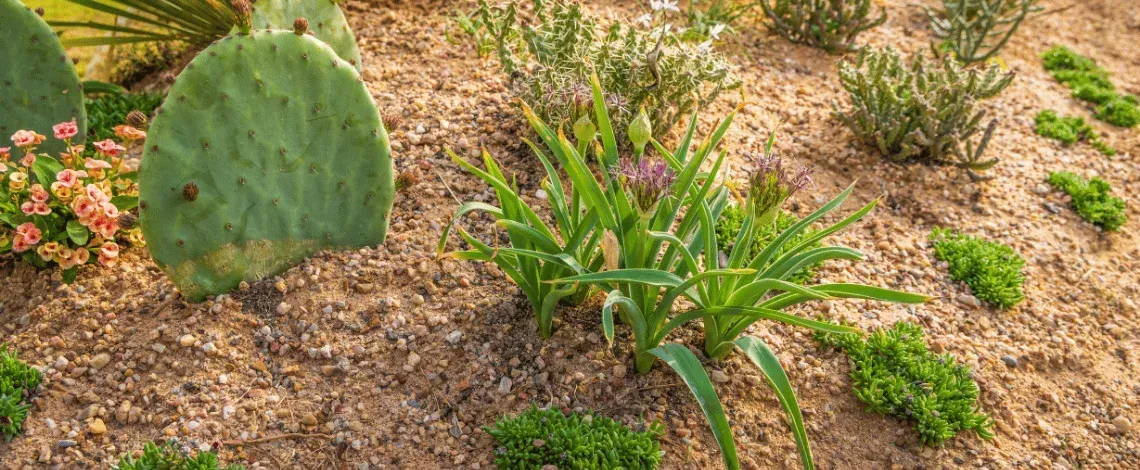
Native plants in North Texas landscaping work best when the plants match the heat, clay soil, sun exposure, and dry spells common in Argyle. Some plants look great at the nursery but struggle once they face Denton County weather. The best choices are plants that can handle local conditions with less water, less upkeep, and fewer seasonal problems.
For homeowners in Argyle, Flower Mound, Bartonville, and nearby areas, drought-tolerant landscaping is about more than saving water. It is about creating a landscape that still looks clean, full, and healthy during tough summer conditions. This guide explains which native and drought-tolerant plants actually thrive in North Texas.
Why Argyle Landscapes Need Tougher Plant Choices
Argyle landscapes deal with hot summers, heavy clay soil, sudden cold snaps, and long dry periods. Plants that need constant watering or perfect soil often decline fast once the weather changes. That is why drought-tolerant plants that Argyle, TX homeowners choose should be selected for strength, beauty, and long-term performance.
A strong landscape starts with matching the right plant to the right place. Full-sun plants need open exposure, shade plants need protection, and clay-tolerant plants need proper bed preparation. When these details are planned correctly, the landscape can stay healthier with less work.
Best Shrubs for Argyle and Denton County Landscapes
Shrubs give a landscape shape, privacy, color, and year-round structure. The best shrubs for Argyle, TX, homeowners are plants that handle heat while keeping the property polished. These options work well in many Texas native landscaping projects in Denton County.
Good shrub choices include:
- Texas sage
- Dwarf yaupon holly
- Flame acanthus
- Agarita
- Possumhaw holly
- Autumn sage
- Wax myrtle
Texas sage is a strong choice for sunny, dry areas because it handles heat well and needs limited watering once established. Dwarf yaupon holly is a good fit when you want a cleaner evergreen shape. Flame acanthus and autumn sage can also bring color while staying tough in North Texas conditions.
Best Perennials and Grasses for Low-Maintenance Color
Perennials and ornamental grasses can add color, texture, and movement without needing to be replaced every season. For low-maintenance plants that North Texas homeowners can enjoy, native and adapted options are often better than delicate flowering plants. They can soften planting beds, support pollinators, and better handle seasonal stress.
Good options include:
- Black-eyed Susan
- Purple coneflower
- Turk’s cap
- Gregg’s mistflower
- Mealy blue sage
- Lantana
- Mexican feather grass
Black-eyed Susan and purple coneflower work well in sunny areas that need seasonal color. Turk’s cap is better for part shade, while lantana is useful in hot, sunny spots. Mexican feather grass adds soft texture and movement without making the bed feel crowded.
Best Small Trees for Native Landscaping
Small ornamental trees can add height, shade, and seasonal interest without overwhelming the yard. Native landscaping Flower Mound, TX, and Argyle projects often use smaller trees to create a natural, layered look. The right tree can also help frame a home, soften hardscape areas, or create a focal point.
Good small tree options include:
- Desert willow
- Texas redbud
- Mexican plum
- Possumhaw holly
- Eve’s necklace
- Flameleaf sumac
Desert willow is a strong option for sunny, dry areas. Texas redbud adds spring color and works well in many residential landscapes when placed correctly. Possumhaw holly gives winter interest with bright berries and a clean branch structure.
Plants That Usually Struggle in Argyle’s Climate
Not every attractive plant belongs in a North Texas landscape. Some plants need too much water, dislike clay soil, or suffer during extreme summer heat. These plants may survive for a while, but they often need more care than most homeowners want to provide.
Plants that can struggle include:
- Tropical plants that need frequent watering
- Shade plants placed in full afternoon sun
- Acid-loving plants in alkaline soil
- Soft annuals during peak summer heat
- Plants that dislike poor drainage
- Large shrubs planted in tight spaces
Many plant problems come from poor placement. A plant that likes morning sun may burn in west-facing afternoon heat. A plant that needs good drainage may fail in a low, wet area with heavy clay soil.
How to Build a Drought-Resistant Landscape That Still Looks Full
Drought-resistant landscaping in Bartonville, TX, and Argyle homeowners' trust should not look bare or unfinished. A good design uses layers, texture, mulch, and proper spacing to create a full landscape without relying on thirsty plants. This helps the yard look intentional instead of dry or patchy.
A strong layout may include:
- Small trees for height
- Shrubs for structure
- Perennials for color
- Grasses for texture
- Mulch for moisture control
- Stone or rock for contrast
Spacing is also important. Planting too tightly may look full at first, but it can lead to crowding, disease, and constant trimming later. A better plan gives each plant enough room to grow into its natural shape.
Why Soil Preparation Still Matters
Even strong plants need a good start. North Texas clay soil can compact easily, retain water in some areas, and hinder root growth if beds are not prepared correctly. Before installing drought-tolerant plants, homeowners in Argyle, TX, should improve the planting area so roots can spread.
Soil preparation may include loosening compacted soil, shaping beds for drainage, adding the right amendments, and applying mulch after planting. These steps help plants settle in during the first season. Once established, the right plants usually need less water and less attention.
Choose Plants That Fit Argyle, Not Just the Nursery Tag
Native and drought-tolerant plants can help North Texas landscapes withstand heat, dry weather, and seasonal stress. The best results come from choosing plants that fit your sunlight, soil, drainage, and maintenance goals. When the design is planned correctly, your landscape can look full without needing constant watering or replacement.
Evergreen Lawn & Landscape can help homeowners in Argyle, Flower Mound, Bartonville, and nearby Denton County choose plants that suit local conditions. From planting beds and softscapes to mulch, trees, and landscape upgrades, our team can help create a landscape that looks polished and holds up better over time.
Contact us today to start planning a healthier, lower-maintenance landscape for your property.
Recent Posts