Rusty McCommas • June 22, 2026
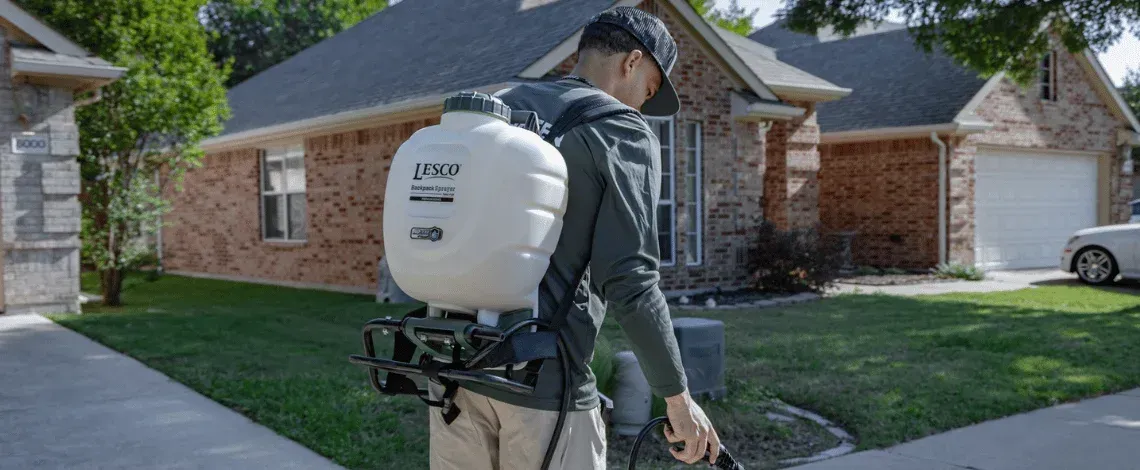
A healthy Bermuda or Zoysia lawn in North Texas needs fertilizer at the right time, not just whenever the grass starts looking pale. The best lawn fertilization schedule North Texas homeowners can follow starts after spring green-up and ends before cooler fall weather slows growth. Most lawns benefit from four to five well-timed treatments using slow-release nutrients that support color, root strength, and thicker turf.
1. Start Fertilizing After Spring Green-Up
The first application should happen once your Bermuda or Zoysia lawn is actively growing again. In North Texas, that is usually between mid-March and mid-April, after the risk of frost has passed and soil temperatures stay around 65 to 70 degrees. Fertilizing too early can feed weeds or push new growth before the lawn is ready.
For the first feeding, focus on:
- Waiting until the lawn is about 50% greened up
- Using a balanced, nitrogen-forward fertilizer
- Pairing the application with pre-emergent weed control when appropriate
- Avoiding fertilizer on dormant or frost-damaged turf
2. Feed Bermuda And Zoysia Before Summer Heat
Late May through early June is usually the next important window for lawn fertilization Denton County homeowners should watch. This treatment comes about six to eight weeks after the first feeding and helps the lawn prepare for long stretches of heat. Slow-release nitrogen is especially helpful because it provides steady nutrition without creating a sudden burst of weak growth.
Bermuda grass usually needs more nitrogen than Zoysia, so the right product can vary from lawn to lawn. A 3-1-2 or 4-1-2 NPK ratio may work well for actively growing warm-season turf, depending on soil conditions and lawn health. Products such as 15-5-10 or 21-7-14 can support healthy growth when applied correctly.
For this late-spring treatment:
- Apply fertilizer about six to eight weeks after the first feeding
- Choose a slow-release formula for more consistent results
- Water after application to help nutrients move into the soil
- Avoid applying fertilizer before a major rainstorm
3. Maintain Color During The Hottest Part Of Summer
When homeowners ask when to fertilize Bermuda grass Texas lawns in midsummer, the answer is usually late July through early August. A lighter feeding during this period can help maintain color and density while the lawn deals with intense sun and high temperatures. The goal is to support the turf, not force rapid growth when it is already under stress.
This is also the time to pay close attention to irrigation. Fertilizer should not be applied to a lawn that is dry, stressed, or showing signs of heat damage. Watering after treatment can help reduce the risk of fertilizer burn and support a more even response.
For a midsummer lawn fertilizer Flower Mound TX homeowners can use:
- Choose a slow-release, nitrogen-heavy product
- Apply only when the lawn has enough moisture
- Water shortly after fertilizing
- Avoid fertilizing immediately before heavy rain
4. Finish With A Fall Root-Supporting Treatment
September is typically the final major fertilizer schedule Argyle TX homeowners need for Bermuda and Zoysia lawns. By this point, the grass is still active, but temperatures are beginning to ease and the lawn is preparing for dormancy. A fall treatment with more potassium can support stronger roots and help the turf handle winter stress.
Heavy nitrogen applications should be avoided late in the season. Too much nitrogen can encourage tender growth at a time when the lawn should be slowing down. The final treatment should focus more on root support than on pushing top growth.
For the last application of the year:
- Apply before soil temperatures fall below about 55 degrees
- Look for a fertilizer with potassium for root support
- Avoid high-nitrogen products late in the fall
- Continue controlling weeds that compete with the grass
5. Know How Much Nitrogen Your Lawn Needs
Bermuda grass is a heavier feeder than Zoysia, which is why both grass types should not always receive the same lawn fertilizer plan. Bermuda often needs about four to six pounds of nitrogen per 1,000 square feet each year, while Zoysia may need closer to two to four pounds. Soil condition, shade, mowing habits, irrigation, and existing lawn problems can all affect the right amount.
A lawn that is thin, compacted, or struggling with weeds may need more than basic fertilizer timing. Fertilizer can improve growth, but it will not solve every lawn issue on its own. A complete plan may also need proper watering, mowing adjustments, weed control, and soil care.
Important factors to consider include:
- The type of grass growing in your yard
- How much sun the lawn receives each day
- Whether the lawn is watered consistently
- Weed pressure, compaction, pests, or disease concerns
Avoid Common Fertilizing Mistakes In North Texas
The wrong timing can waste fertilizer and create more work later in the season. Applying too much product, fertilizing dormant grass, or treating before major rain can lead to runoff, weak growth, and uneven color. Following a clear when to fertilize lawn North Texas calendar gives your turf a better chance to respond well to every treatment.
It is also important not to assume every lawn needs the same amount of fertilizer. A shaded Zoysia lawn may need a lighter approach than a sunny Bermuda lawn that gets heavy use. Looking at the condition of the lawn before every treatment can help prevent overfeeding.
Common mistakes to avoid include:
- Fertilizing before spring green-up is well underway
- Applying too much nitrogen at one time
- Feeding drought-stressed grass without proper watering
- Fertilizing immediately before heavy rain
- Using the same schedule for every lawn without considering grass type
Get A Professional Fertilization Plan Built For Your Lawn
At Evergreen Lawn & Landscape, we provide lawn fertilization services that give North Texas lawns the nutrients they need throughout the year while also helping protect them from weeds. We use slow-release fertilizer treatments as part of a scheduled lawn care program, so your Bermuda or Zoysia lawn receives consistent support instead of one-time guesswork. Our team helps homeowners in Argyle, Northlake, Southwest Denton, and nearby communities build healthier, fuller lawns.
Our approach is based on the needs of your grass, the season, and the condition of your property. We can help keep fertilizer timing on track while also managing weed pressure that affects how your lawn looks and grows. This makes lawn care easier for homeowners who want consistent results without having to manage every treatment themselves.
Our lawn fertilization service can help with:
- Timed fertilizer applications during the active growing season
- Slow-release nutrition for steadier lawn growth
- Pre-emergent and post-emergent weed control
- A more consistent plan for a fuller, healthier lawn
Give Your Lawn The Right Nutrients At The Right Time
Following a seasonal lawn fertilization schedule helps your Bermuda or Zoysia lawn stay stronger through North Texas heat, weed pressure, and changing weather. From spring green-up through the final fall treatment, each application should support the lawn’s current needs without overfeeding it.
A professional plan takes the timing and guesswork off your plate while helping your turf look fuller and healthier all season.
Contact us today to schedule lawn fertilization services for your North Texas property.
Recent Posts