
Rusty McCommas • June 16, 2026

Brown Patch Fungus in North Texas: How Argyle Homeowners Can Identify, Treat, and Prevent It

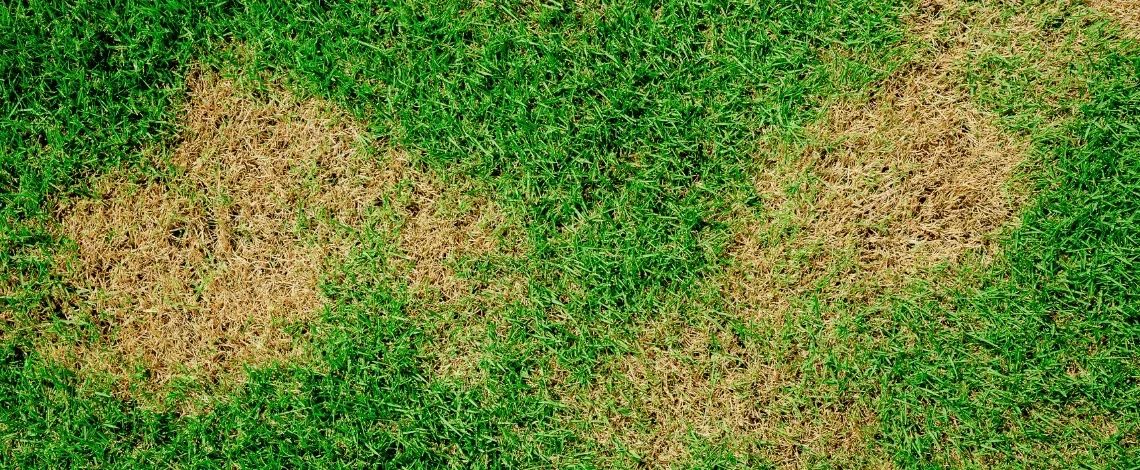
Brown patch fungus in North Texas can make a healthy lawn look like it is dying in circles almost overnight. In Argyle, this lawn disease often shows up when warm-season grass stays wet too long during humid weather, especially in spring and fall. The good news is that brown patches can be identified, treated, and prevented with the right timing and lawn care habits.

Why Brown Patch Fungus Shows Up in Argyle Lawns

Brown patch is caused by the fungus Rhizoctonia solani, which can affect warm-season turf across North Texas. It is common in St. Augustine and Zoysia, but brown patches in Bermuda grass in Texas can also appear when conditions are right. This fungus becomes more active when lawns stay damp overnight, so here is what usually triggers it.


Common brown patch triggers include:

  • Overwatering
  • Poor drainage
  • Heavy shade
  • Thick thatch
  • High humidity
  • Warm days and mild nights
  • Too much nitrogen at the wrong time
  • Frequent rain during spring or fall


Many Argyle homeowners first notice the problem after the lawn looks great for weeks, then suddenly develops round brown spots. That is because the fungus often moves fast once moisture, temperature, and stress line up.

What Brown Patch Looks Like in North Texas Lawns

Lawn fungus in Argyle, TX usually starts as circular patches that look tan, brown, yellow, or straw-colored. These patches may be a few inches wide at first, then spread into larger rings if the disease stays active. The edges often look worse than the center, which can create a doughnut-shaped pattern.


Look for these signs:

  • Round or irregular brown patches
  • Thin grass inside the patch
  • Dark brown, reddish, or purple marks on grass blades
  • A gray or purplish “smoke ring” in the morning
  • Grass blades that pull up easily from the soil
  • Slimy or rotted leaf bases during wet conditions
  • Patches that spread after rain or night watering

Brown Patch or Something Else?

Not every brown circle is a brown patch. Drought stress, grub damage, chinch bugs, dull mower blades, pet urine, and irrigation problems can all create brown spots. That is why diagnosis matters before applying products or changing your lawn care routine. A few clues can help separate brown patch from other issues:


  • Brown patches often appear in circles or rings.
  • Drought stress usually appears in dry, exposed areas.
  • Chinch bug damage often shows up in hot, sunny spots.
  • Grub damage may cause turf to lift like loose carpet.
  • Irrigation problems often follow sprinkler coverage patterns.

When Brown Patch Is Most Active in North Texas

Brown patches can show up when the weather creates long periods of leaf wetness. In North Texas, spring and fall are common problem windows because lawns are moving into or out of dormancy. High humidity, rain, and evening watering can keep grass wet long enough for fungus to spread. Key times to watch your lawn include:


  1. Early spring, especially March and April
  2. Fall, especially October and November
  3. After long rainy periods
  4. When nights stay warm and humid
  5. After heavy watering late in the day

How Brown Patch Fungus Is Treatedy

Fungicide application for North Texas lawns works best when treatment starts early. Once a brown patch spreads across large areas, the lawn may need more time to recover even after the disease is controlled. That is why the first sign of circular thinning should be taken seriously. Common fungicide active ingredients may include:


  • Azoxystrobin
  • Propiconazole
  • Myclobutanil
  • Triadimefon


Granular fungicides can be easier for homeowners to apply, while liquid applications may offer faster coverage during active outbreaks. Severe cases may need a follow-up treatment 14 to 28 days later, depending on the product label and disease pressure.

Why DIY Brown Patch Treatments Often Fall Short

DIY fungicide products can help in some cases, but they often fail when timing, watering, or diagnosis is off. Some homeowners treat the lawn too late, keep watering at night, or apply fungicide when the real issue is insects, drought stress, or poor irrigation coverage.


DIY treatment can also miss important details, such as:

  • Correct product choice
  • Proper application rate
  • Repeat treatment timing
  • Irrigation changes after treatment
  • Mowing and fertilization adjustments
  • Whether the disease is active or old damage

How to Prevent Brown Patch in Argyle Lawns

Preventing brown patch in Argyle lawns starts with keeping the grass from staying wet too long. Water early in the morning, avoid night watering, reduce watering during rainy periods, and avoid heavy nitrogen in fall. Sharp mower blades, better airflow, aeration, and thatch control can also help the lawn stay healthier and less vulnerable to fungus.

Your Local Source for Lawn Disease and Weed Control in Argyle

Evergreen Lawn & Landscape has served the Argyle area and nearby North Texas communities for 40+ years. We understand how local lawns react to heat, humidity, clay soil, weeds, and seasonal disease pressure. Our team looks beyond the brown patches to find the real cause and recommend the right next step.


We also offer a lawn care program with weed prevention service and fertilization treatments. It includes seven liquid herbicide applications, five slow-release granular fertilizer applications, and visits spaced 4 to 6 weeks apart. If you need lawn fungus treatment in Flower Mound TX, Argyle, Denton, Northlake, or nearby areas, we can help support a cleaner, healthier lawn.

Recent Posts

By Rusty McCommas April 7, 2026
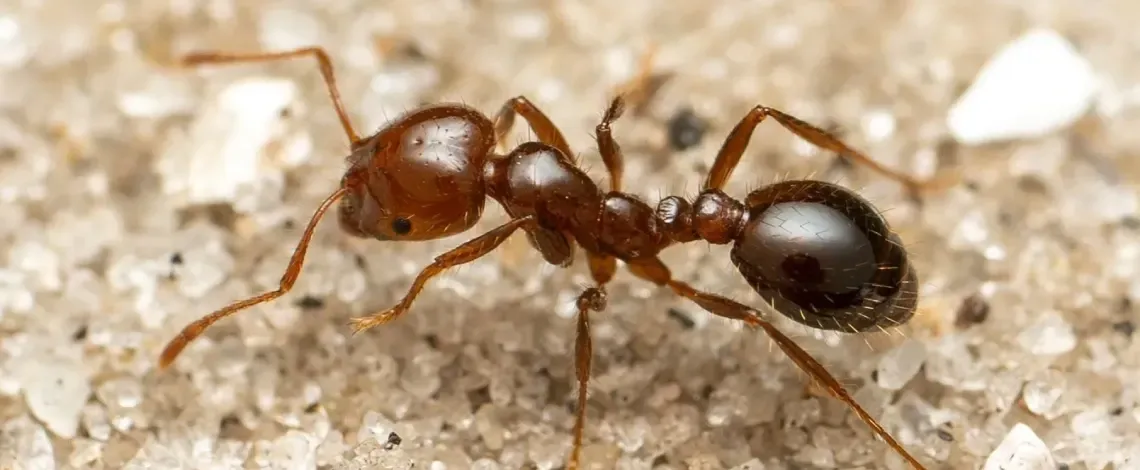
Fire ants can turn a relaxing day outside into painful bites that last for days. Evergreen offers annual fire ant treatment with a year-round warranty, plus $200 in free services* with Premium Fertilizer & Weed Control Program.
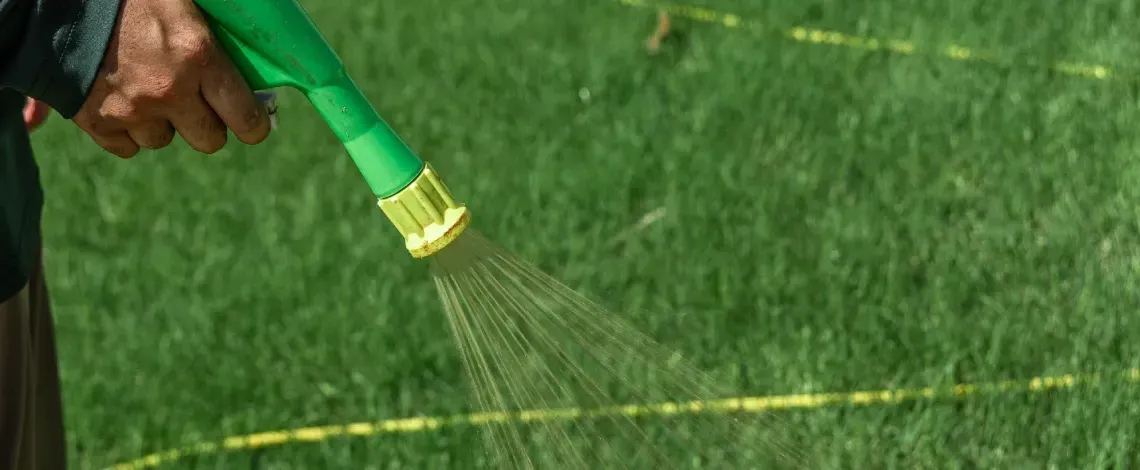
Spring lawn care to revive a healthy green lawn after winter dormancy
By Rusty McCommas March 13, 2026
As temperatures warm up and days grow longer, lawns across the neighborhood start waking up from their winter sleep. April is when grass begins actively growing again, roots start absorbing nutrients, and your yard prepares for the busy growing season ahead.But just like us in the morning, lawns can struggle to fully “wake up” if they don’t get the right start. When spring lawn care is delayed, weeds move in, growth becomes patchy, and your turf never quite reaches its full potential.